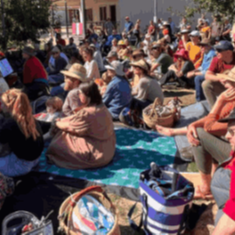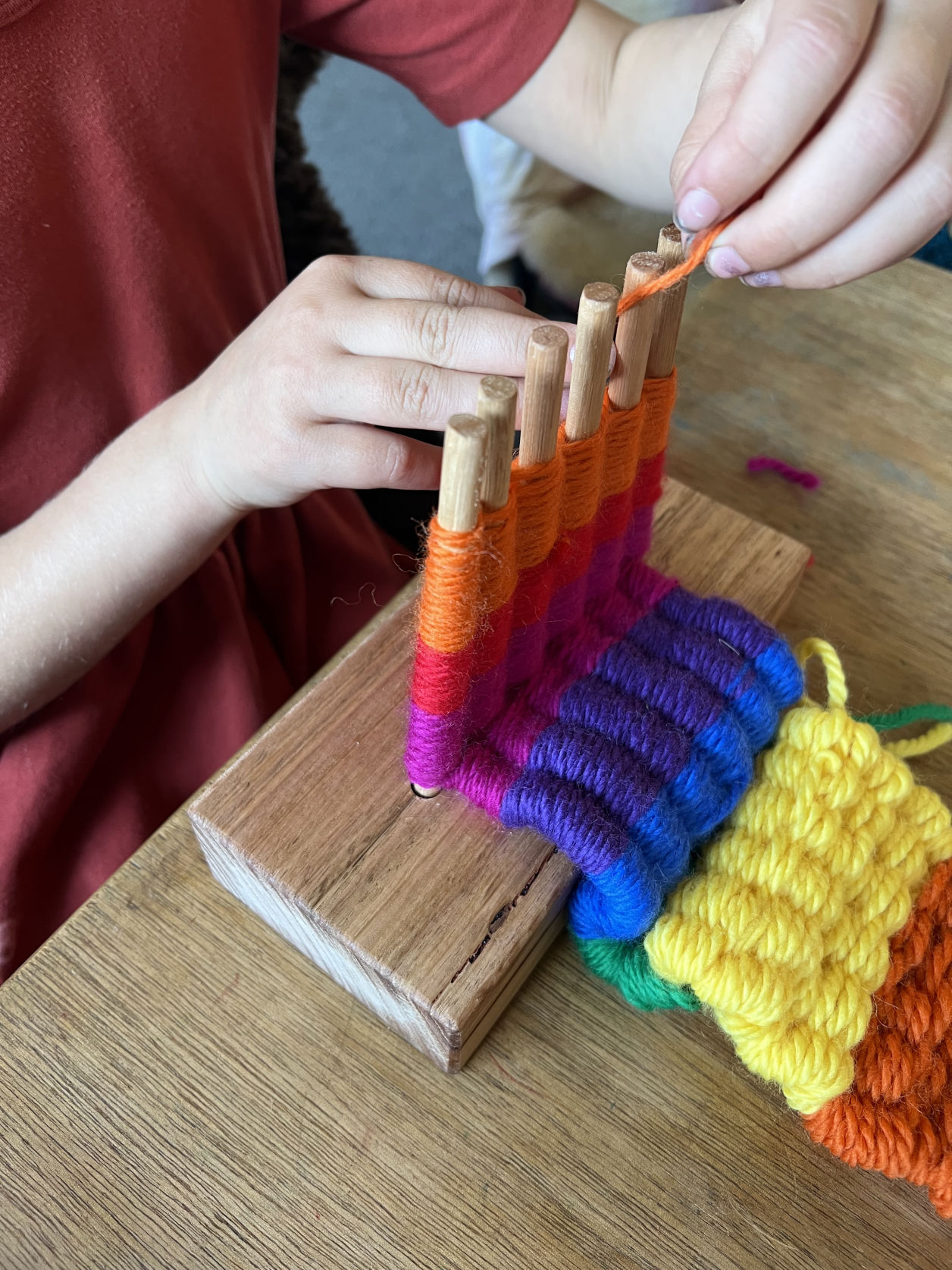
Our curriculum and culture specifically build a child’s awareness of themselves through learning that is inherently social. Over their learning journey, children are nurtured to develop a high level of social responsiveness. Steiner children have a genuine sense of empathy and care for themselves, others, and the wider world.
Our school system explicitly taps into children’s internalised experiences of the joy of learning and avoids external rewards for motivation. We focus on children knowing themselves from the inside out and this builds self-assurance and self-esteem.
The Steiner curriculum is a deeply considered view of the human being based on a holistic view of child development. Our artistic pedagogy is intentionally refined to cultivate sensitivity, discernment, and creative capacity. In this way, every child comes to experience how the arts deepen, balance, and complete the human journey.
Tamar Valley Steiner School creates socially responsive people who are independent thinkers through a deeply considered approach to learning. We pursue academic excellence enriched with artistic expression and immersion in beauty, nature, joy and community.
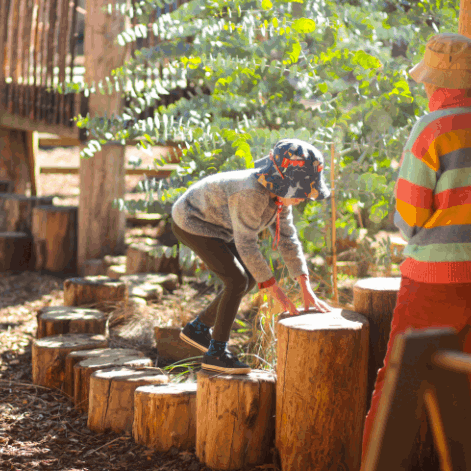
Nature and outdoor learning are a comprehensive part of the curriculum and experienced through our Bush school, gardening, sciences and geography.
The Steiner approach is grounded in a distinctive understanding of child development that informs every aspect of teaching. This ensures children are met at their individual stage and supported thoughtfully through each phase of growth. Alongside academic achievement, moral and ethical development is woven throughout the curriculum.
Learning unfolds across three broad stages:
- Learning to play (age 0-7)
- Learning to work (age 7-14), and
- Learning to be themselves (age 14-21)
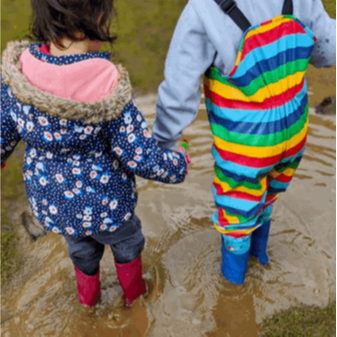
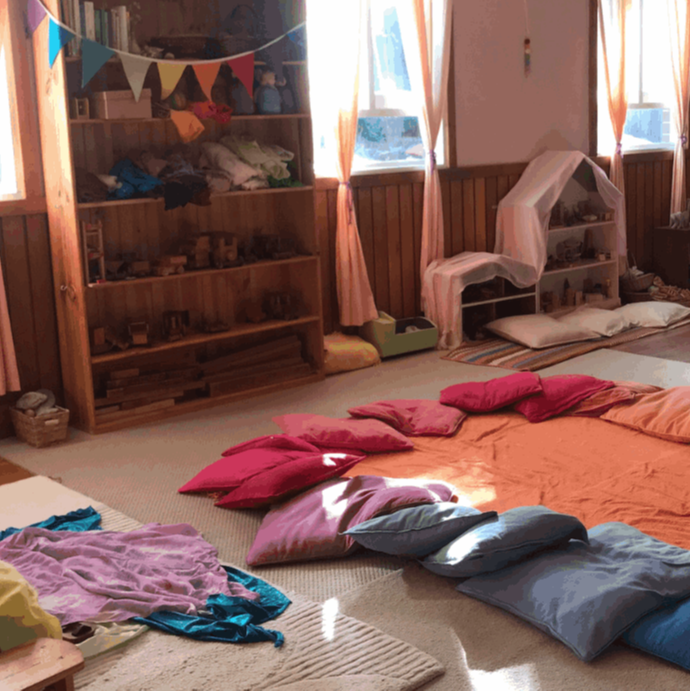
Children at this age learn primarily through imitation and creative play. Their play is intentional, allowing them to actively explore and embody what they observe and experience. Unlike older children and adults, their understanding deepens through repeated enactment of events and images. In the classroom, we support this learning through a balance of free play, guided role-modelling, purposeful work, and a consistent rhythm that fosters stability and engagement.
At this stage, children’s imagination takes centre stage, guiding them to engage more deeply with academic learning. Their emotional development is carefully considered, and concepts are explored through multiple modalities — including drama, art, music, and movement — providing a strong foundation for future creativity, problem-solving, and innovation.
Students of this age learn best when inspired, and their critical thinking skills grow rapidly. The Steiner curriculum responds to these needs by exploring and celebrating the strength of the human spirit. Through this approach, young people develop courage, confidence, and resilience, leaving school with a strong sense of self and a clear sense of their values.
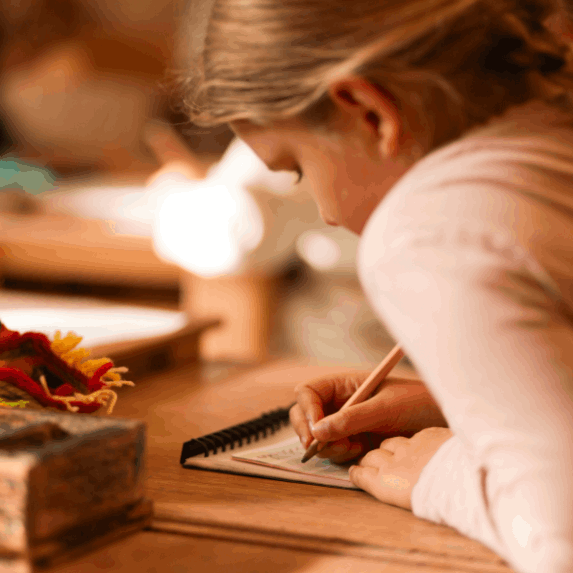
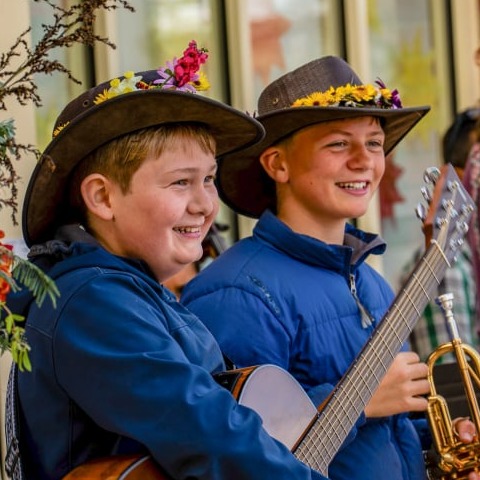
In a Steiner school, art is integrated throughout the day to inspire a genuine joy in learning. Creative expression through visual arts, music, speech and drama, movement, and media arts is embedded in the main lesson and also delivered as specialised subjects during afternoon sessions. Every student engages daily in singing, dance, and instrument playing.
The natural environment is an essential part of Steiner education. Outdoor experiences are woven into academic learning, and students also participate in dedicated outdoor education. This includes gardening, field studies, immersive excursions into the Tasmanian wilderness, bushwalking, year-level camps, and our Bush School program.
If you have any questions or would like to arrange a school tour, please complete the Expression of Interest form or contact the School Office on enrolments@tamarvalleysteiner.tas.edu.au or 03 6711 3238.
Fees are updated each year and can be viewed here: 2026 Fees and Levies and the Class 7 fees for 2027 are in an addendum to the 2026 Fees
Information is also available in the fee brochure on fee relief which is available based on a fair, transparent system of capacity to pay (household income and number of dependents).